If you want city energy without the upkeep of a large yard, high-rise and loft living in Dallas County can be a smart fit. You may be weighing walkability, views, building amenities, parking, and how each neighborhood feels day to day. This guide breaks down where vertical living clusters in Dallas County, what lifestyle tradeoffs come with it, and what to compare before you buy. Let’s dive in.
Why Buyers Choose Vertical Living
High-rise and loft living in Dallas County often comes down to a simple trade: you give up some private outdoor space and, in some cases, square footage in exchange for convenience, location, and lower day-to-day upkeep. Many buyers like the idea of being close to dining, entertainment, transit, and public spaces without the maintenance that comes with a traditional single-family property.
In luxury towers, that convenience can extend well beyond the front door. Buildings such as Museum Tower and HALL Arts Residences market features like pools, fitness spaces, outdoor terraces, guest suites, concierge or valet services, and resident-focused amenities that are less common in detached homes. For some buyers, that package is a big part of the value.
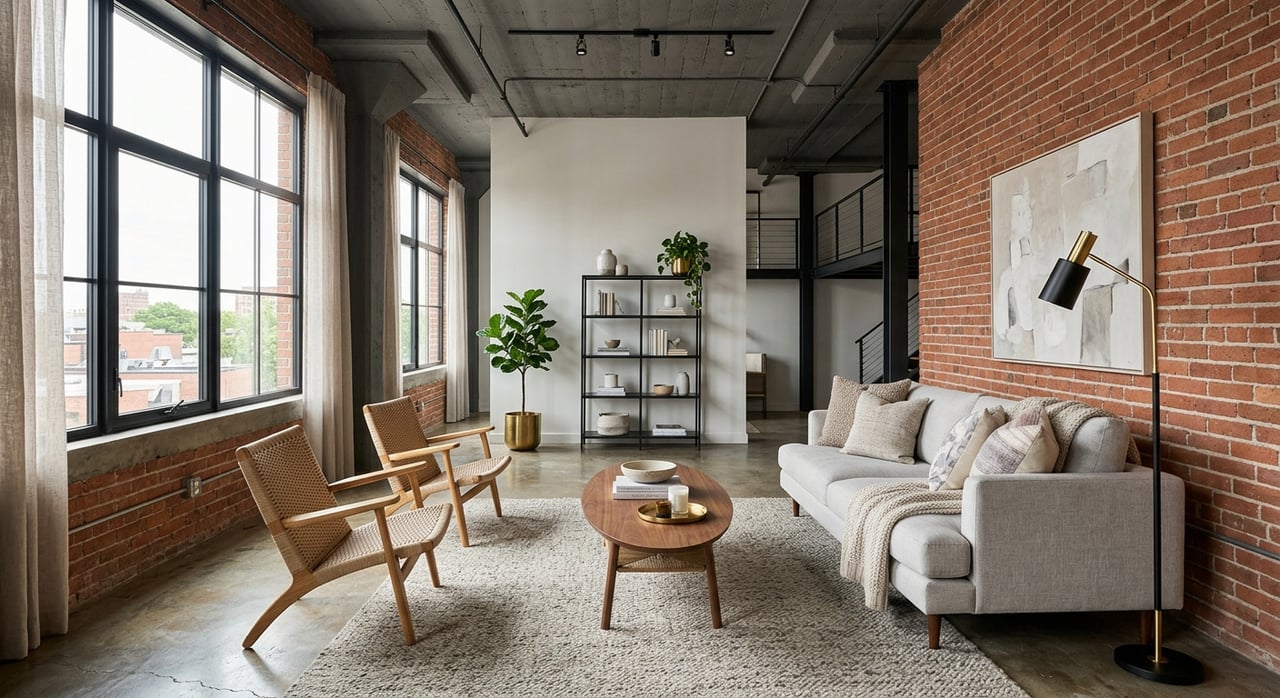
Loft living offers a different version of urban life. Instead of a service-heavy tower experience, lofts in areas tied to former warehouse districts often appeal because of their character, live-work feel, and connection to creative neighborhoods.
High-Rise Versus Loft Living
High-Rise Living in Dallas
High-rise living usually appeals to buyers who want a polished, lock-and-leave lifestyle. You may find elevator access, skyline views, dedicated staff, structured parking, and amenity spaces that make daily living feel more streamlined.
This style can work especially well if you travel often, prefer lower exterior maintenance, or want more services built into your monthly ownership costs. The tradeoff is that building dues, rules, and shared-space policies become a meaningful part of your decision.
Loft Living in Dallas
Loft living tends to attract buyers who value architecture and neighborhood personality. In places like Deep Ellum and the Design District, converted warehouse buildings and live-work spaces often offer a more industrial look and a more flexible urban feel.
You may not get the same level of concierge-style services that come with a luxury tower. What you often gain instead is character, history, and a stronger connection to the street-level culture of the district.
Where Vertical Living Clusters in Dallas County
Downtown Dallas and West End
Downtown Dallas offers one of the most mixed-use urban experiences in the county. According to Downtown Dallas, Inc., walking is the easiest way to explore the area, and much of downtown can be covered on foot in about 30 minutes.
That matters if your daily routine includes coffee stops, dining, errands, and entertainment close to home. The West End adds a historic red-brick warehouse setting, which gives parts of downtown a more textured, adaptive-reuse feel.
Farmers Market District
The Farmers Market district adds another layer of convenience to downtown living. With food-oriented retail, shops, and residential options, it helps the urban core feel more livable and less office-centered.
If you want an in-town lifestyle with easy access to daily necessities, this area may feel more balanced than buyers expect. It blends central location with a neighborhood rhythm that supports full-time living.
Uptown and Katy Trail
Uptown is one of the clearest walkability-first choices in Dallas County. Official district materials highlight tree-lined streets, wide sidewalks, pocket parks, patios, public art, and short walks to coffee, dining, and nightlife.
Transportation is also part of the appeal. Uptown connects to the McKinney Avenue Trolley, DART light rail, and the Katy Trail, which runs through one of Dallas’s densest urban residential corridors as a 3.5-mile greenbelt for recreation and alternative transportation.
For many buyers, Uptown represents the classic Dallas high-rise lifestyle: active, convenient, and easy to navigate without depending on a car for every outing. If your priority is everyday walkability, this area deserves close attention.
Arts District and Harwood
If you are drawn to a more refined and design-forward urban setting, the Dallas Arts District and Harwood stand out. The Dallas Arts District spans 118 acres and is described as the largest contiguous urban arts district in the nation, centered on museums, sculpture, and performing arts.
Harwood adds a more curated, campus-like environment with office, residential, and retail space spread across 19 city blocks, along with gardens, art-filled lobbies, and restaurants. This area tends to appeal to buyers who want cultural access and a polished residential setting.
Luxury towers here reflect that same tone. HALL Arts Residences, for example, is positioned within the cultural core and markets services such as 24/7 valet and concierge, a lifestyle director, and a house car.
Victory Park
Victory Park is a strong fit if you want urban living tied closely to sports, events, and entertainment. The district describes itself as Dallas’s entertainment epicenter, with restaurants, bars, and shops surrounding the American Airlines Center.
It also offers practical mobility advantages. Victory Park connects to the Katy Trail, DART rail, and the Trinity Railway Express, which can make event nights and regular commuting more manageable.
This area tends to feel energetic and active. If you like being near major events and a built-in entertainment scene, Victory Park may align well with your lifestyle.
Design District
The Design District offers a more creative-industrial take on Dallas living. Official materials describe a live-work-play environment with galleries, showrooms, fine dining, boutique hotels, and residential options.
This is not typically the most service-heavy tower environment. Instead, it often appeals to buyers who want distinctive architecture, a design-centered setting, and a neighborhood with a strong visual identity.
Deep Ellum
Deep Ellum is one of Dallas’s most historically rooted creative districts. The neighborhood highlights its history as one of the city’s first commercial districts for African Americans and European immigrants, while today emphasizing live music, restaurants, independent shops, galleries, murals, and walkable street life.
For loft buyers, Deep Ellum often delivers the strongest sense of industrial reuse and neighborhood character. The area also points to practical movement options such as street parking, garages, and bike and scooter corrals, which helps set expectations for daily life.
If you want a neighborhood with constant activity and a strong street presence, Deep Ellum can be compelling. It is often a better fit for buyers who want character and energy over a quieter, service-focused tower setting.
Irving and Las Colinas
Outside central Dallas, Las Colinas offers a suburban-urban compromise for buyers who still want a vertical-living option. DART’s Orange Line serves Irving and connects to downtown Dallas and DFW Airport, while local visitor materials point to destinations such as the Irving Convention Center, Toyota Music Factory, and Lake Carolyn Promenade.
This can be a practical choice if you want some of the convenience of condo or high-rise living without being in the middle of the central Dallas core. It is a useful option to compare if location flexibility matters as much as lifestyle.
What Daily Life Really Feels Like
Beyond finishes and views, day-to-day living in a high-rise or loft depends on services, mobility, and building structure. In luxury towers, amenities may include pools, fitness centers, dog areas, lounges, guest suites, valet, and concierge support.
That can simplify routines and reduce maintenance responsibilities. For many buyers, the lifestyle value comes from convenience as much as the residence itself.
Neighborhood management also plays a role in how these areas function. Downtown Dallas, Inc. says the Downtown Improvement District funds safety, cleaning, transportation enhancements, public-space beautification, and event promotion, while Uptown Dallas Inc. says its PID helps keep Uptown clean, safe, and thriving.
What to Compare Before You Buy
When you compare high-rise and loft options in Dallas County, look past the finishes. The practical details often shape your ownership experience just as much as the floor plan.
Focus on questions like these:
- What are the monthly dues?
- What services are included in those dues?
- How is parking assigned or leased?
- What building or association rules affect daily use?
- What does the condo insurance structure cover?
- How much of your routine can be done on foot or by transit?
Texas HOA and condo guidance notes that association records can include fees and other transfer details. The Texas Department of Insurance explains that condo insurance covers personal property and the interior of the unit, which makes insurance structure an important part of your review.
If you are buying for long-term convenience, future resale, or even investment potential, these details matter. A well-matched building and location should support how you actually want to live, not just look good during a showing.
Which Dallas County Area Fits Your Style?
If you want the shortest list of likely matches, start with lifestyle first. Uptown, Downtown, and Deep Ellum are among the clearest choices for buyers who prioritize walkability. The Arts District and Harwood stand out for cultural polish and a more curated feel.
Victory Park tends to suit buyers who want event-driven energy, while the Design District and Deep Ellum lean more creative and industrial. Las Colinas can be the right answer if you want a transit-connected option outside central Dallas.
The key is to treat vertical living in Dallas County as a collection of neighborhood personalities rather than one category. When you align the building, the district, and your daily habits, the right fit becomes much easier to spot.
Whether you are searching for a luxury high-rise, a character-rich loft, or an investment-minded urban property, a local, relationship-led strategy can help you compare the details that matter most. To talk through your options in Dallas County, schedule a consultation with Social Living Real Estate Boutique.
FAQs
What is high-rise living like in Dallas County?
- High-rise living in Dallas County often means trading some private outdoor space for convenience, shared amenities, central locations, and lower day-to-day exterior upkeep.
What is loft living like in Dallas neighborhoods such as Deep Ellum or the Design District?
- Loft living in areas like Deep Ellum and the Design District usually emphasizes historic warehouse character, live-work energy, and neighborhood personality more than full-service tower amenities.
Which Dallas County neighborhoods feel most walkable for vertical living?
- Based on district materials, Uptown, Downtown, and Deep Ellum are among the strongest walkability-focused choices, with Victory Park and the Arts District also offering clustered destinations and transit access.
What should buyers compare before buying a Dallas condo or loft?
- Buyers should compare monthly dues, included services, parking arrangements, association rules, transfer details, and condo insurance structure, not just the unit’s finishes or view.
Is Las Colinas a good option for vertical living near Dallas?
- Las Colinas can be a strong fit if you want a more suburban-urban balance, with DART Orange Line access to downtown Dallas and DFW Airport plus nearby entertainment and waterfront destinations.