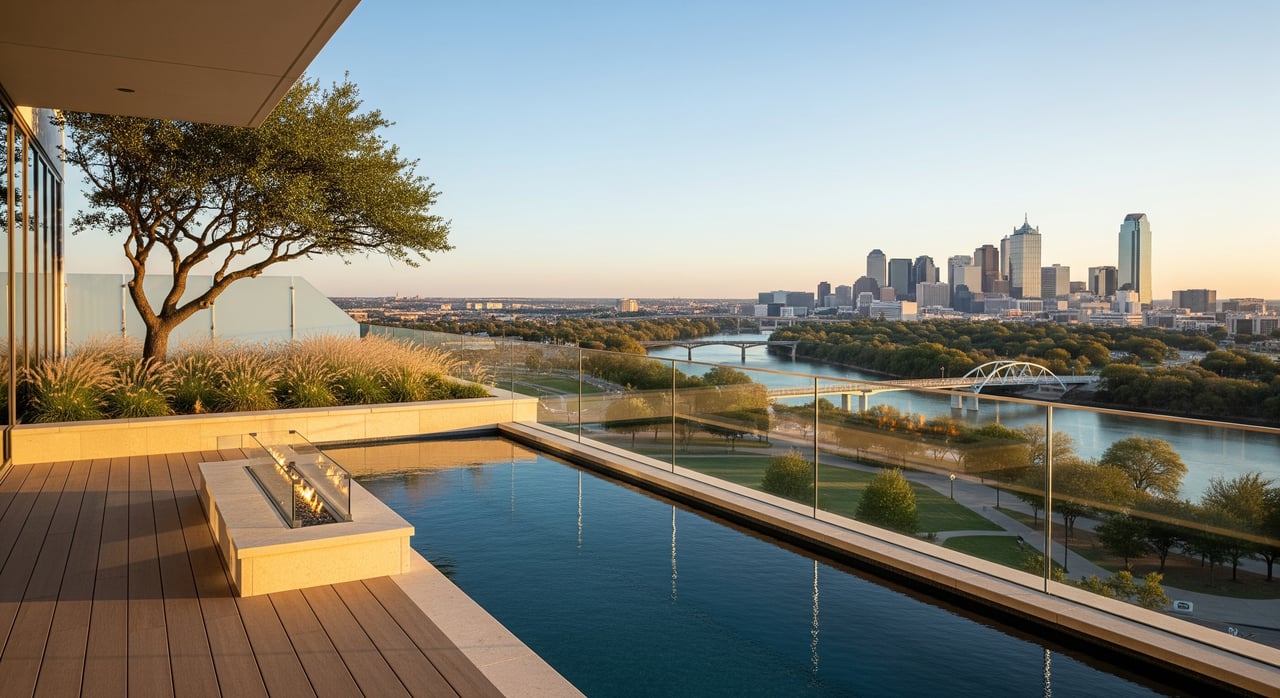
Fort Worth is literally making an island next to downtown, and it could reshape how you live, work, and invest in Tarrant County. If you love walkable neighborhoods, waterfront views, and easy access to the city core, you are probably asking what Panther Island means for you. In this guide, you will learn what the plan includes, how the timeline works, where opportunities show up first, and how to plan your next move. Let’s dive in.
Panther Island at a glance
Panther Island is part of the Trinity River Vision’s Central City Flood Project, which will create a man‑made island just north of downtown by building new bypass channels. The refreshed master plan presents a high‑density, mixed‑use waterfront with canals, parks, and pedestrian‑first streets that connect downtown to nearby districts. Planners describe one of the largest near‑downtown redevelopment opportunities in the country, with phased development across roughly 200 priority acres inside a larger footprint. You can see the urban design vision in the 2024 plan update from Lake|Flato and HR&A Advisors as covered by ArchPaper.
According to Urban Land Institute coverage, the plan calls for 12+ miles of active urban waterfront including canals and a central lake. The goal is an inviting public waterfront that supports housing, retail, offices, and cultural space, all within walking and biking distance of downtown.
- Read more: the master plan framework and waterfront vision are summarized by The Architect’s Newspaper and Urban Land Institute.
Timeline and key public works
The island only becomes possible after the U.S. Army Corps of Engineers completes major flood‑control work. Recent federal appropriations, commonly reported in the low to mid hundreds of millions of dollars, are funding the bypass channel design and construction phases. The public schedule many locals track points to a planning horizon around 2032 for full flood‑control completion and levee changes that unlock broad private development. The Texas Tribune explains the federal role and funding, and Downtown Fort Worth Inc. has reported on flood‑gate contracts and schedule milestones.
Early steps are already visible. New bridges and connector roads are in place, and local partners have let contracts for flood‑gate and pump‑station work to support the Corps’ sequencing. These pieces matter because each completed segment determines when nearby parcels can safely go vertical.
- Read more: Texas Tribune on federal funding and scope and DFWI on flood‑gate contracts and schedule.
Who owns the land and how it will roll out
A large share of Panther Island land is publicly owned by local agencies, which helps set the tone for parks, streets, and early development sites. The Tarrant Regional Water District and the City of Fort Worth have begun preparing for parcel sales and requests for proposals as infrastructure advances. Local outlets have reported that TRWD has taken initial steps toward selling sizable portions to private developers. Expect a phased land‑release strategy tied to engineering milestones.
- Read more: DFWI on the master plan and public partners and KERA on TRWD’s first steps to market land.
What this means for downtown living
Near‑term options: 1–3 years
Most interior island parcels will not be ready for major private building until more flood‑control and utility work is finished. If you want the lifestyle now, look at established adjacent areas with active inventory such as West 7th, the River District, and downtown condo towers. Early edge projects preview what is coming, including the Encore Panther Island apartments and nearby entertainment uses noted in local reporting.
- Read more: early projects near the island are highlighted by Downtown Fort Worth Inc..
Medium to long term: 2026 and beyond
Once the Corps’ work opens up more sites, the master plan anticipates high‑density mixed‑use, including potential condo offerings along canals and parks. The city has expanded a form‑based code to enable taller buildings in priority zones, with reporting of allowances up to roughly 20 to 24 stories in parts of the district. That zoning flexibility helps larger projects pencil and supports a true urban waterfront.
- Read more: Master plan goals via ArchPaper and zoning context for taller buildings.
Market context for renters and investors
DFW delivered a heavy wave of new apartments from 2022 through 2024, and by 2025 absorption has been catching up. Many submarkets feel balanced, with concessions used in places as new buildings stabilize. For you, that means more choice and negotiating power in the near term, and steady long‑run demand thanks to regional growth. Fort Worth’s population has been climbing, with coverage noting it near or above the one‑million mark.
Community and environmental considerations
Remember that flood control is the project’s primary purpose. Complex engineering tasks like channel construction, flood gates, pump stations, utility relocations, and levee changes must come first. Many parcels also need environmental remediation before development. Because the area borders longtime neighborhoods and much land is public, local conversations continue about community benefits and mixed‑income housing strategies within the plan.
What to watch next
- Army Corps construction milestones that unlock specific parcels for private building.
- TRWD announcements about land sales, RFPs, and early developer selections.
- City zoning refinements and street network buildout that shape height and density.
- Visible construction at the island edges that signals momentum toward interior phases.
- Market signals, including rent concessions or absorption trends, that affect pricing and timing.
How to plan your move or investment
- Buyers: Tour adjacent downtown neighborhoods now, then map your wish list to future canal or park blocks that fit your timeline. Track parcel releases to time a pre‑construction opportunity.
- Renters: Use today’s options and concessions to secure location and lifestyle near downtown while you watch for new waterfront openings.
- Sellers: If you own near downtown, West 7th, or the River District, position your listing with proximity to future parks and trails, but avoid over‑promising dates. Reference official milestones in your marketing.
- Investors and developers: Underwrite phasing, remediation, and carry costs. Model height allowances, mixed‑use demand, and leasing velocity next to the canal and park network as sites come to market.
If you want tailored guidance on timing, sites, and strategy around Panther Island and downtown Fort Worth, connect with the team at Social Living Real Estate Boutique. Our boutique brokerage advises across residential, land, and commercial assets, and can support 1031 exchanges and asset management through our integrated services.
FAQs
When will Panther Island be ready for private building?
- Public works are sequenced through the late 2020s into about 2032, and parcel availability will roll out as the Army Corps and local partners hit key milestones.
How big is the planned waterfront and canal network?
- The master plan envisions more than 12 miles of active urban waterfront with canals, promenades, and a central lake.
Is the project fully federally funded?
- No. Federal appropriations fund the bypass channels, but local sources like the Tarrant Regional Water District, tax‑increment financing, and city and county contributions also play a role.
Where can I live now for a similar lifestyle?
- Look to adjacent areas such as West 7th, the River District, and downtown towers, where new apartments and condos offer walkable access and river proximity.
Will Panther Island raise prices around downtown?
- As waterfront parks and canals open, high‑amenity mixed‑use housing typically commands a premium, which can shift downtown price dynamics over time, especially with zoning that enables taller buildings.