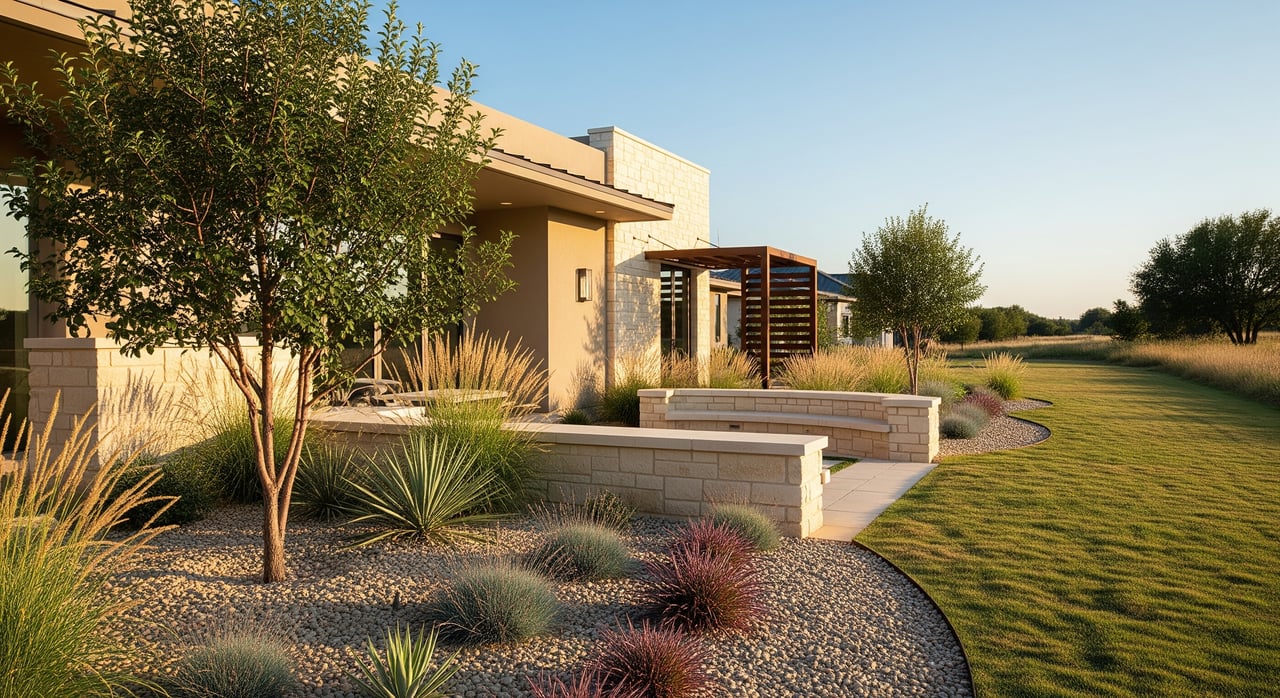
Ever look at your backyard and wonder what you can safely plant over a gas pipeline easement? You are not alone. Many Tarrant County homeowners want curb appeal without risking safety or violating easement rules. In this guide, you will learn what an easement allows, what to plant or avoid, and how to coordinate with the operator so your landscape looks great and stays compliant. Let’s dive in.
Easement basics on your lot
A pipeline easement is a recorded property right that lets a pipeline operator access, inspect, maintain, and repair facilities on or across your property. The terms are set by the recorded easement document and plat. Those terms control what you can build or plant on that strip.
Operators can usually remove obstructions in the easement and restore the area after work. Your role is to maintain the surface in a way that does not block access. You can often use the area for lawn or low plantings, but permanent structures or deep-rooted plants usually require written approval from the operator.
If you are buying or selling, make sure easements are disclosed and documented per guidance from the Texas Real Estate Commission. For safety and regulatory context, you can also review public information from PHMSA and the Railroad Commission of Texas.
Safety before you dig
Before you plant, trench, or install anything that disturbs soil, call 811. Using Texas811, you can request free utility locates so lines are marked before work begins. This protects you and complies with Texas law.
Remember that above-ground pipeline markers are approximate and do not show exact underground locations. Always rely on locate marks from 811 and any instructions you receive from the operator.
Do’s and don’ts for easement areas
Following a few simple rules keeps your landscape attractive and compliant.
Do
- Read the recorded easement and ask the operator for written rules about plantings, structures, and depth limits.
- Call 811 before any digging, even for small projects like edging, bulbs, or bed borders.
- Use shallow-rooted, low-growing plantings within the easement. Turfgrass, groundcovers, and bedding plants are typical choices.
- Keep a clear path for maintenance access. Avoid berms, raised beds, or terraces that block vehicles.
- Use temporary, movable features like potted plants or seasonal decor.
- Mark easement lines on a site plan for landscapers and require them to call 811.
Don’t
- Do not plant trees or deep-rooted shrubs in the easement unless the operator approves it in writing.
- Do not build permanent structures like sheds, decks, patios, pools, driveways, or retaining walls without written permission.
- Do not install impermeable surfaces that would be costly to remove for repairs.
- Do not bury irrigation or utility lines across the easement without operator approval.
- Do not assume pipeline markers show exact locations or widths.
Plant choices for Tarrant County
Fort Worth’s hot summers and variable soils call for tough, region-appropriate plants with non-invasive roots. The Texas A&M AgriLife Extension offers reliable North Texas guidance on plant selection, turf, and root behavior.
Low-growing selections within the easement
- Adapted turfgrass such as Bermuda or zoysia suited to your sun and soil conditions.
- Low native or ornamental grasses with shallow roots.
- Perennial groundcovers like liriope or mondo grass types.
- Seasonal bulbs and shallow-rooted perennials or annuals in simple beds.
These options keep the area accessible and reduce the risk of root problems around the pipeline.
Trees and large shrubs outside the easement
Avoid planting trees or large shrubs within the easement. If you want shade or screening, place trees far enough outside the easement so mature roots do not reach into it. A practical approach is to keep the trunk at least as far from the pipeline centerline as the tree’s expected mature canopy radius, and preferably farther. Check species-specific root spread through AgriLife resources or consult an ISA-certified arborist, then confirm distances with the operator.
Irrigation and hardscape rules
Irrigation and hardscape can complicate access if not planned carefully.
- Get operator approval before burying irrigation lines that cross the easement. Place valves and controllers outside the easement whenever possible.
- Shallow drip irrigation may be permitted for beds if the operator approves it in writing. Keep it simple and removable.
- Use mulch beds and thin mulch layers rather than heavy rock. Avoid paver patios, retaining walls, concrete pads, or other permanent features unless you have written permission.
- Keep grades at or near original levels so equipment can access the area if needed.
Coordinate with the operator
A little coordination up front saves time and money later.
Locate the easement documents. Pull the deed, plat, and recorded easement from county records or your title company. The recorded instrument controls width and restrictions.
Identify and contact the operator named in the easement. Ask for landscaping rules, permitted plant types, depth limits, access width, and whether you can obtain written permission for specific items. If you are unsure about who to call, the Railroad Commission of Texas and PHMSA provide public guidance on pipeline operators and safety.
Call Texas811 before any soil disturbance. Schedule locates and respect all marks.
Get approvals in writing. Keep emails and letters that describe what is allowed, including any irrigation or plant lists.
Ask whether the operator requires a site visit or on-site supervision for certain plantings.
Share the easement and operator instructions with your landscaper. Require them to follow locate marks and 811 rules.
Maintenance and emergencies
Many easement agreements let operators remove vegetation that interferes with access. Unauthorized trees or shrubs may be removed without compensation. Ask the operator about restoration policies before you plant.
If you smell natural gas or suspect a leak, evacuate the area, avoid flames and electrical switches, and call 911. You can also call the operator’s 24-7 emergency number. For Fort Worth-area customers, safety information is available from Atmos Energy and public safety resources from PHMSA.
Selling or buying with an easement
If you plan to sell, disclose the easement, provide the recorded document, and share any written correspondence with the operator about permitted landscaping. Buyers should understand that trees, fences, pools, or hardscape may be limited by the easement terms. Review the basics at the Texas Real Estate Commission and keep all approvals with your property records.
Quick homeowner checklist
- Confirm the easement location and width on your recorded documents.
- Contact the operator named on the easement for written rules.
- Call Texas811 before any digging or planting.
- Choose shallow-rooted, low-growing plants for the easement.
- Keep trees and large shrubs outside the easement, based on mature root spread.
- Avoid permanent structures and buried utilities without written approval.
- Save all approvals and share them with contractors and future buyers.
Ready to plan your landscaping around a pipeline easement with confidence? If you are preparing to buy or sell in Tarrant County and want a clear plan for disclosures and property prep, schedule a conversation with Unknown Company. We can help you approach the process with clarity and care.
FAQs
Can I plant trees on a gas pipeline easement in Tarrant County?
- Generally no. Trees are usually not allowed within the easement unless the operator permits them in writing.
Do pipeline markers show the exact underground location of the line?
- No. Markers show approximate alignment only. Always call 811 for precise locates before any digging.
Can I install an irrigation system across the easement?
- Possibly, but you need operator approval. Keep valves and controllers outside the easement, and get written terms before burying any lines.
What happens if the operator removes my plants during maintenance?
- Operators may remove obstructions under many easement agreements. Compensation varies by terms, so ask about restoration policies in writing before you plant.
How far from the easement should I place a new tree?
- There is no single rule. Use species-specific mature root or canopy spread as a guide and plant well outside the easement. Confirm distances with the operator and consult AgriLife resources.