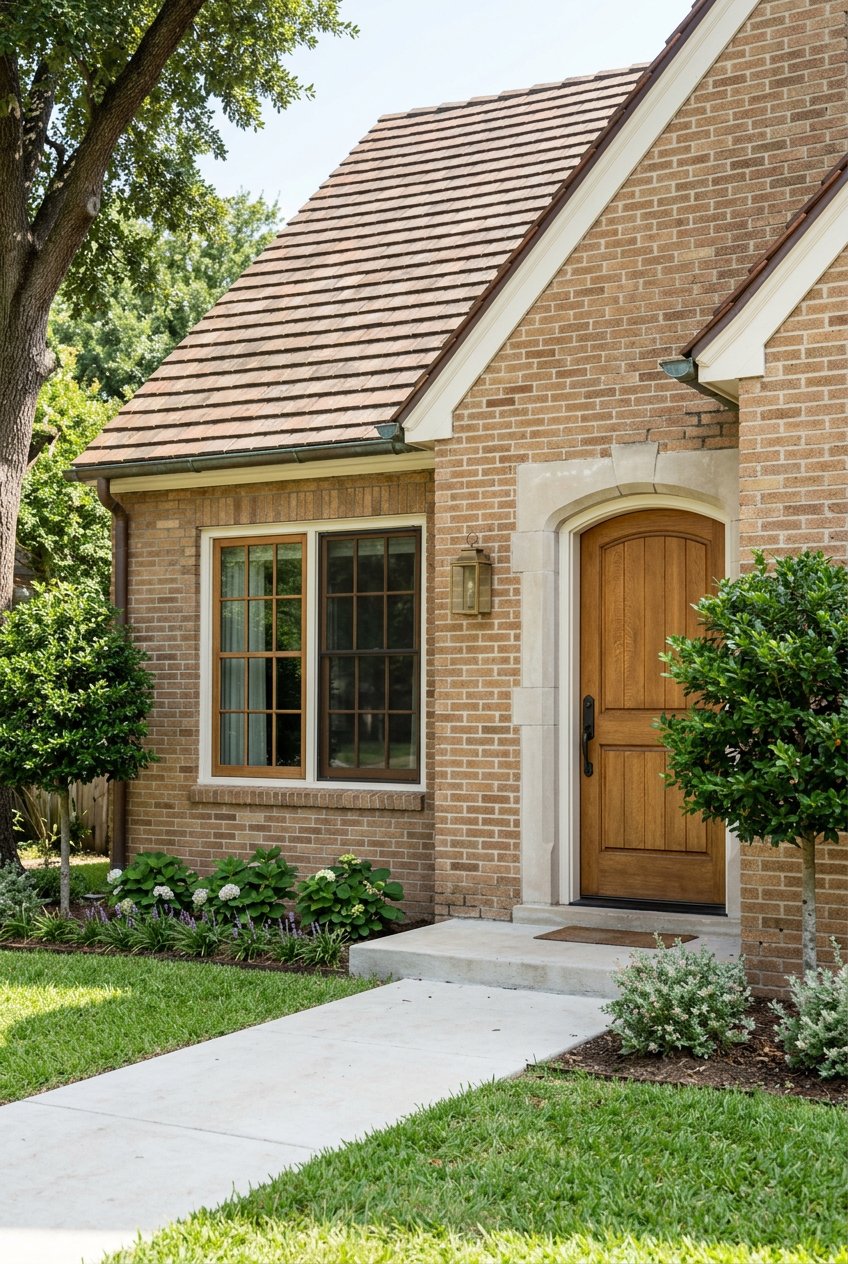
Selling a historic home in Dallas can feel like walking a line between value and vandalism. You want to attract today’s buyers without stripping away the details that make your place special. You also have real rules to navigate that can affect timing, scope, and pricing. In this guide, you’ll learn how to preserve your home’s story, comply with Dallas requirements, and position your property for a stronger sale. Let’s dive in.
Know your designation and rules
Confirm what “historic” means for your property
Not all historic labels work the same. Here is how they differ in Dallas:
- National Register of Historic Places: This is mostly honorary for private owners. It does not restrict changes unless federal money or permits are involved. National Register listing can be a prerequisite for federal rehab credits on income-producing buildings. Learn more about eligibility.
- Texas designations: The Texas Historical Commission administers programs like the state historic preservation tax credit. These designations help with state-level incentives for certified rehabilitations. See the Texas program.
- City of Dallas Landmark designation and historic districts: These are regulatory. Exterior work usually requires City approval through a Certificate of Appropriateness. Each district has its own criteria and schedules. Check the City’s landmark districts.
Bottom line: Verify your exact status before you promise repairs or start any exterior work.
Certificate of Appropriateness basics
If your house is a City of Dallas landmark or sits inside a landmark district, most exterior changes require a Certificate of Appropriateness (CA) before work begins. Routine maintenance can be handled administratively, but visible changes like new windows, additions, fences, major landscaping, or demolition often go before the Landmark Commission and require public notice. Larger actions can trigger special criteria and extended timelines. Review the City’s CA FAQ.
Pull your property’s CA history
Buyers and appraisers want clarity. Search the City’s public records for past Certificates of Appropriateness and demolition applications for your address and include those records in your listing materials. Search CA records.
Incentives and what they really mean for sellers
Federal and state credits: great, but not for most owner-occupants
- Federal Historic Rehabilitation Tax Credit: A 20 percent credit for certified rehabilitations of historic, income-producing buildings. Owner-occupied single-family homes do not qualify. Review federal eligibility.
- Texas Historic Preservation Tax Credit: A 25 percent credit against certain state business taxes for certified rehabilitations. Credits are often transferrable and are most useful for income-producing or institutional projects. Coordinate with the Texas Historical Commission before work begins to protect eligibility. Explore the Texas credit.
Dallas local tax exemptions
Dallas offers local tax exemptions tied to qualifying rehabilitation of contributing structures and City Landmarks. You will need City verification and an annual application with the Dallas Central Appraisal District to maintain the exemption. If you have used a City exemption, include the verification letter and DCAD filings in your sales packet. See Dallas tax incentives and DCAD forms.
Tip: Assemble all approvals and receipts now. Clear documentation strengthens buyer confidence and supports your asking price.
Upgrades that add value without erasing character
The Secretary of the Interior’s Standards favor preserving original features, repairing rather than replacing when feasible, and making new work reversible. Use these principles to guide pre-list updates.
Prioritize systems first
Address electrical service, panel capacity, HVAC, plumbing, and roof integrity. These invisible upgrades reduce buyer risk and help with financing while leaving your home’s historic character intact. Keep permits and warranties together. The City’s preservation guidance underscores repairing historic structures the right way. Review guidance.
Make kitchens and baths sympathetic
Refresh with modern function and period-sensitive materials. Keep original room proportions, match adjacent trim profiles, and avoid a complete gut that clashes with the home’s age. Buyers pay for comfort and authenticity working together.
Repair historic windows and weatherize
Original sash and frames often can be repaired, weatherstripped, and reglassed to perform well. Add interior or exterior storms if needed. Only consider replacement when repair is not feasible, and match profiles closely. For energy strategy, start with an audit and focus on targeted improvements like attic or crawlspace insulation and duct sealing. Read NPS guidance on energy and resilience and Preservation Brief 3 on conserving energy.
Mind exterior finishes and roofs
When replacement is required, match historic profiles and materials where practical. If you must use a visually similar substitute, document the decision and obtain a CA when required.
What to avoid
- Removing character-defining features like original windows, porch columns, leaded glass, or mantels without documented necessity.
- Erasing historic floor plans in favor of an extreme open plan that conflicts with the home’s period.
Appraisals, lenders, and the documents that matter
How appraisers look at historic homes
For owner-occupied houses, the market or sales-comparison approach usually leads. Appraisers look for comps of similar age, style, condition, and district rules. When comps are limited, they may widen the search area or apply careful adjustments. Cost approach can highlight the expense of reproducing historic features, which helps support value when character is intact.
Head off common trouble spots
- Functional obsolescence: Small kitchens, only one bath, or limited closets can hurt value. Consider low-impact tweaks that keep trim and room relationships intact.
- Deferred maintenance: Expect downward adjustments for condition. Provide a pre-listing inspection, recent service logs, and receipts for major systems work.
- Easements and restrictions: Preservation easements and deed restrictions affect rights and use. Share documents and a plain-language overview with your listing materials so appraisers and buyers can evaluate them early.
Pre-appraisal prep checklist
- Order a pre-listing inspection and correct health or safety issues.
- Create a one-page summary of your property’s district rules and CA process, with links to past CAs.
- Assemble receipts, permits, warranties, and maintenance logs for HVAC, roof, plumbing, and electrical.
- Consider a pre-listing valuation from a professional with historic property experience.
Smart pricing and marketing to preservation buyers
Tell the home’s story with proof
Lead with provenance you can document: year built, architect if known, notable restorations, and visible original features like trim or stained glass. Include archival or past listing photos if available and label any oral history as such. Accuracy builds trust and momentum.
Package the details buyers need
Create a concise heritage pack that includes:
- A brief history and features overview.
- Copies of past Certificates of Appropriateness and permits.
- Maintenance and systems summaries with dates and warranties.
- A short, preservation-minded scope for any proposed future work.
This reduces friction and helps buyers and lenders process the home with confidence.
Choose a pricing path that fits your asset
- Well maintained with documented systems and compliant work: Price as a premium historic home. Strong documentation supports your case.
- Restoration project: Price to reflect scope and market directly to preservation-minded buyers or investors. Offer credits or CA-approved scopes that keep character intact rather than completing heavy modernizations that may not align with buyer preferences.
Stage to foreground character
Use simple, period-aware furniture, neutral color palettes, and uncluttered rooms that let millwork, built-ins, and windows shine. Avoid staging that hides original materials in photos.
Your Dallas pre-listing checklist
- Confirm your designation and district criteria for the property. Find your district.
- Pull your CA history and include it in the listing packet. Search CA records.
- Assemble maintenance records, contractor receipts, permits, and warranties. Order a pre-listing inspection.
- If you used City tax exemptions or state credits, gather verification letters and annual appraisal-district filings. Review Dallas incentives and DCAD forms.
- Check title for preservation easements or deed restrictions and prepare a brief explanation of obligations.
- Complete essential systems upgrades and keep documentation. See the City’s repair guidance.
- Prepare professional photos, a floor plan, and the heritage pack for marketing.
- Complete the Texas Seller’s Disclosure Notice accurately and include known easements and CA obligations. Access the TREC form.
The bottom line
Preserving your Dallas home’s soul is not at odds with selling for a strong price. The keys are clarity, compliance, and smart investment in the right upgrades. Lead with original features, support them with modern systems and excellent documentation, and market with a preservation-forward story and packet. That combination widens your buyer pool and supports value while protecting what makes your home rare.
If you want a calm, concierge process that honors your home’s story, schedule a private consultation with the team at Social Living Real Estate Boutique.
FAQs
What is a Certificate of Appropriateness for a Dallas historic home?
- It is City approval required before most exterior changes to a designated landmark or a property in a Dallas landmark district. Review the City’s process and timelines in the Dallas CA FAQ.
Do federal or state tax credits help when selling an owner-occupied Dallas historic house?
- Federal credits apply to certified rehabilitations of income-producing buildings and do not cover owner-occupied single-family homes; Texas credits target certified projects and are typically most useful for income-producing assets.
How should I handle original windows before I list?
- Favor repair and weatherization, then add storms if needed. Replace only when repair is not feasible and match historic profiles closely. See NPS energy guidance.
What documents should I give buyers and appraisers for a Dallas historic property?
- Provide a heritage pack with past Certificates of Appropriateness, permits, maintenance logs, warranties, and any City tax-exemption or appraisal-district filings. Add a one-page summary of district rules and processes.
Will landmark rules scare off buyers of my Dallas historic home?
- Some buyers value protections that keep neighborhood character intact, while others prefer fewer constraints. Clear, early disclosure of rules and approvals expands the pool of preservation-minded buyers and reduces surprises.