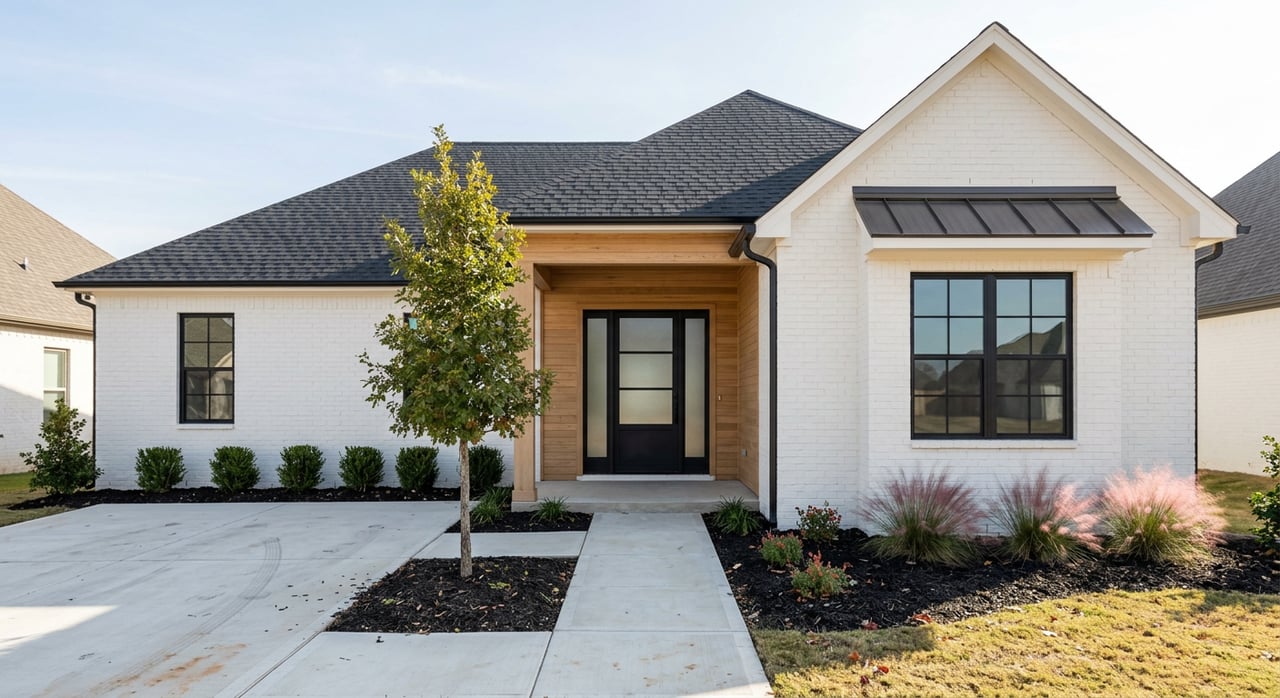
Is your lease end or home sale date creeping up while you eye that shiny new community in Denton County? You are not alone. New construction can be a smart move if you time it around builder release cycles, incentives, and interest rates. In this guide, you will learn how Denton County’s current market affects your leverage, how builders price phases and lots, and how to line up financing and move dates with confidence. Let’s dive in.
Denton County market timing at a glance
Recent NTREIS/MetroTex data shows Denton County’s single‑family median in the low‑to‑mid $400Ks, with a January 2026 median near $428,550, about 3.3 months of supply, and average days on market around 84 days. You are no longer competing in a 2021‑style sprint. You have more time to evaluate options and negotiate. Builders feel this shift, especially on completed inventory homes, which opens the door to better incentives and price flexibility. (MetroTex county summary, Jan 2026)
Growth continues along the I‑35 corridor through Denton, the US‑380 northern corridor, and the Alliance, Corinth, and Little Elm areas. That is where many new subdivisions and master‑planned communities are rising. Timing your purchase around phase releases in these corridors can help you capture better pricing or incentives.
How builders release and price lots
Large production builders roll out communities in phases. Early phases often carry lower base pricing and lighter lot premiums. Later phases tend to creep up in price as amenities come online and sales justify higher numbers. You may see “VIP” or “priority” interest lists before the public release. If you can contract in the earliest phase, you might lock a lower base price, but you will wait longer for delivery.
Lot premiums are line items added to the base price for specific positions such as cul‑de‑sac, corner, greenbelt, pond view, or larger lots. In DFW, you might see interior or cul‑de‑sac premiums in the low $5,000 to $15,000 range, with greenbelt, pond, or oversized lots from about $10,000 to $40,000 or more. Exact figures vary by community. Always review the builder’s price sheet to see the premium and how it affects the appraised value.
Builders also lean on incentives. These can include mortgage rate buydowns, closing cost credits, design studio allowances, reduced lot premiums, or appliance and fixture upgrades. Incentives concentrate on quick‑move‑in inventory, at quarter‑ends, and when a phase is behind plan. Nationally, about two‑thirds of builders reported using sales incentives in early 2026, which tracks with what you see locally. That makes incentives a central part of the timing conversation. (NAHB incentive use, Feb 2026)
Pre‑sale or inventory: which fits your timeline
Pre‑sale, also called to‑be‑built, lets you pick a plan and lot, then choose structural and design options. The payoff is customization within the builder’s menu. The tradeoff is time and interest‑rate exposure before closing. Inventory, or quick‑move‑in, is already built or close to complete. That is ideal if you need a predictable move‑in date and often where builders stack the best incentives.
For timelines, national benchmarks show typical production single‑family homes take roughly 8 to 10 months from permit to completion, while custom homes can take 12 months or more. Locally in DFW, a practical rule is 6 to 12 months for to‑be‑built once permits are in place, and 30 to 90 days to close on a near‑complete inventory home. If you have a fixed move date, add a 1 to 2 month buffer for permitting, weather, and inspection delays. (NAHB build time benchmarks)
Rate backdrop and incentive math you should know
Interest rates shape monthly payments and builder promotions. The Freddie Mac Primary Mortgage Market Survey reported an average 30‑year fixed rate of about 6.11% for the week ending March 12, 2026. When rates sit in this range, builder‑paid buydowns can be valuable, especially on inventory homes. (Freddie Mac PMMS)
Here is a simple example using principal and interest only on a $400,000 purchase with 10% down (loan amount $360,000), comparing the current rate to a 2‑1 buydown scenario.
| Scenario | Rate | Est. P&I per month |
|---|---|---|
| No buydown | 6.11% | $2,185 |
| 2‑1 buydown, Year 1 | 4.11% | $1,742 |
| 2‑1 buydown, Year 2 | 5.11% | $1,957 |
| Years 3+ (note rate) | 6.11% | $2,185 |
What to do with this:
- If your priority is short‑term monthly relief, a temporary buydown can help you ease into payments.
- If you plan to hold long term, a base price reduction often beats temporary relief because it lowers the loan amount for the life of the loan.
- If cash to close is tight, a closing‑cost credit can bridge the gap without changing long‑term payments.
Timing strategies by situation
Your path depends on your current housing and your move date. Use these targeted approaches to reduce stress and protect your budget.
If your lease is ending soon
- Focus on quick‑move‑in inventory or homes within 30 to 90 days of completion. That is where incentives and predictable timelines usually align.
- Ask the builder about current rate buydowns and closing credits tied to specific inventory homes. Incentives often vary by lot and plan.
- If a to‑be‑built home is the only fit, negotiate a short‑term lease extension or prepare for a short furnished rental. Add a buffer month or two to the builder’s estimate.
If you must sell to buy
- Sell first with a rent‑back. You can negotiate 30 to 60 days of post‑closing occupancy to bridge to your new build. This gives you certainty on your sale proceeds and timeline.
- Buy first with short‑term financing. Some buyers use bridge loans or a HELOC to avoid a sale contingency. These options add cost but make your new‑home contract stronger. Review terms with your lender before you write an offer.
- Use a home‑sale contingency only if the builder allows it and the community pace is slower. If you must use one, keep timelines tight and deposits clear in the contract.
How to time your sale listing in Denton County
The county’s average days on market was around 84 days in January 2026. As a rule of thumb, plan to list about 90 days before your target closing date if conditions look similar. Adjust a few weeks for seasonal patterns and your specific neighborhood. Tie your listing calendar to your desired new‑home closing, and revisit the plan every 2 weeks with fresh market feedback. (MetroTex county summary, Jan 2026)
Appraisals, contracts, and buffers
Early closings in a new phase or homes with heavy upgrades plus a large lot premium can face appraisal gaps because comparable sales are thin. If the appraisal comes in low, lenders lend to the appraised value. You may need to cover the gap or renegotiate.
Protect yourself by building in an appraisal contingency or a negotiated gap provision when possible. Ask for a line‑item worksheet from the builder. You want to see base price, lot premium, structural options, design selections, and incentives. This helps your agent and lender assess appraisal risk early and plan for alternatives.
On longer build timelines, confirm selection deadlines, change‑order fees, and rate‑lock options. Some lenders offer extended locks for a fee. Get that in writing before you set your move plan.
When in the year to shop
- Quarter‑ends. Builders often push to hit sales goals, and incentives on inventory can improve in the last 2 to 3 weeks of March, June, September, and December.
- Early phases. If you are willing to wait longer, contracting in an early phase can secure a lower base price. Just cash‑flow for a longer build and potential rate changes.
- After weather delays. If rain or materials delays stack up, some builders add promotions to re‑accelerate sales. Ask about any temporary incentives or lot‑premium adjustments.
Step‑by‑step timing checklist
Clarify your drop‑dead move date. Decide whether inventory or to‑be‑built is realistic with a 1 to 2 month buffer.
Pull current market context. Review the latest Denton County report for median price, supply, and days on market. It sets expectations for your sale timing and negotiating leverage. (MetroTex market reports)
Shortlist communities by corridor and commute. Target I‑35, US‑380, and Alliance‑area options that fit your budget and timeline. Confirm taxes, HOA, MUD/PID, and lot premiums on each shortlist.
Get the price sheets. Ask for base price, lot premiums, estimated move‑in dates, and all active incentives. Request a line‑by‑line breakdown.
Compare incentives by impact. Stack a price reduction against a temporary rate buydown and a closing credit. Use the current PMMS rate to estimate payments and your cash to close. (Freddie Mac PMMS)
If selling, back‑date your listing. Use 90 days as a starting point, then adjust for your micro‑market and season.
Lock the contract details. Clarify appraisal language, selection deadlines, change‑order rules, and what happens if the home delivers earlier or later than projected.
Inspect and verify. Plan for pre‑drywall and final walkthroughs, plus third‑party inspections if you prefer an extra set of eyes.
Ready to tailor these steps to your move date and budget? Schedule a consultation with the team at Social Living Real Estate Boutique. We help you compare communities, decode incentives, and align your sale or lease with a clean, on‑time closing.
FAQs
What should Denton County buyers know about timing a new build?
- Denton County’s shift toward a more balanced market means better leverage on inventory homes and more measured timelines on to‑be‑built. Use phase releases and quarter‑end windows to your advantage, and add a 1 to 2 month buffer to the builder’s estimate.
How long does new construction usually take in DFW?
- Production to‑be‑built homes often take 6 to 12 months once permits are set, while inventory homes can be ready in 30 to 90 days. National data shows 8 to 10 months as a typical benchmark from permit to completion. (NAHB build time benchmarks)
When do builders offer the best incentives in Denton County?
- You often see the strongest incentives on completed or near‑complete inventory, at the end of quarters, and when a phase is selling slower than plan. Many builders are actively using incentives today. (NAHB incentive use, Feb 2026)
Should I wait for rates to fall before I buy new construction?
- If you need a quick move, inventory homes with builder‑paid buydowns can make sense now. If you prefer to be more selective, a to‑be‑built contract plus a rate strategy may work. Use the current PMMS rate as your baseline and compare a price cut against a 2‑1 buydown. (Freddie Mac PMMS)
How do lot premiums affect my budget and appraisal?
- Lot premiums raise the purchase price for location benefits such as greenbelt or cul‑de‑sac positions. They can be worth it, but heavy premiums plus upgrades may stress the appraisal if recent comparable sales are limited. Ask for a line‑item breakdown and discuss appraisal language with your agent.
How should I time selling my current home to buy new construction?
- Start with Denton County’s average days on market, which was around 84 days in January 2026, and plan to list about 90 days before your target close. Consider a rent‑back, short‑term financing, or a contingency if allowed to bridge the gap. (MetroTex county summary, Jan 2026)